Can you ‘come back’ to somewhere new, or semi-new? I’ve landed in Perth, a place I’ve been, in the country I was born. It feels completely new and all too familiar at the same time. I need time to settle enough and contemplate this with more distance.
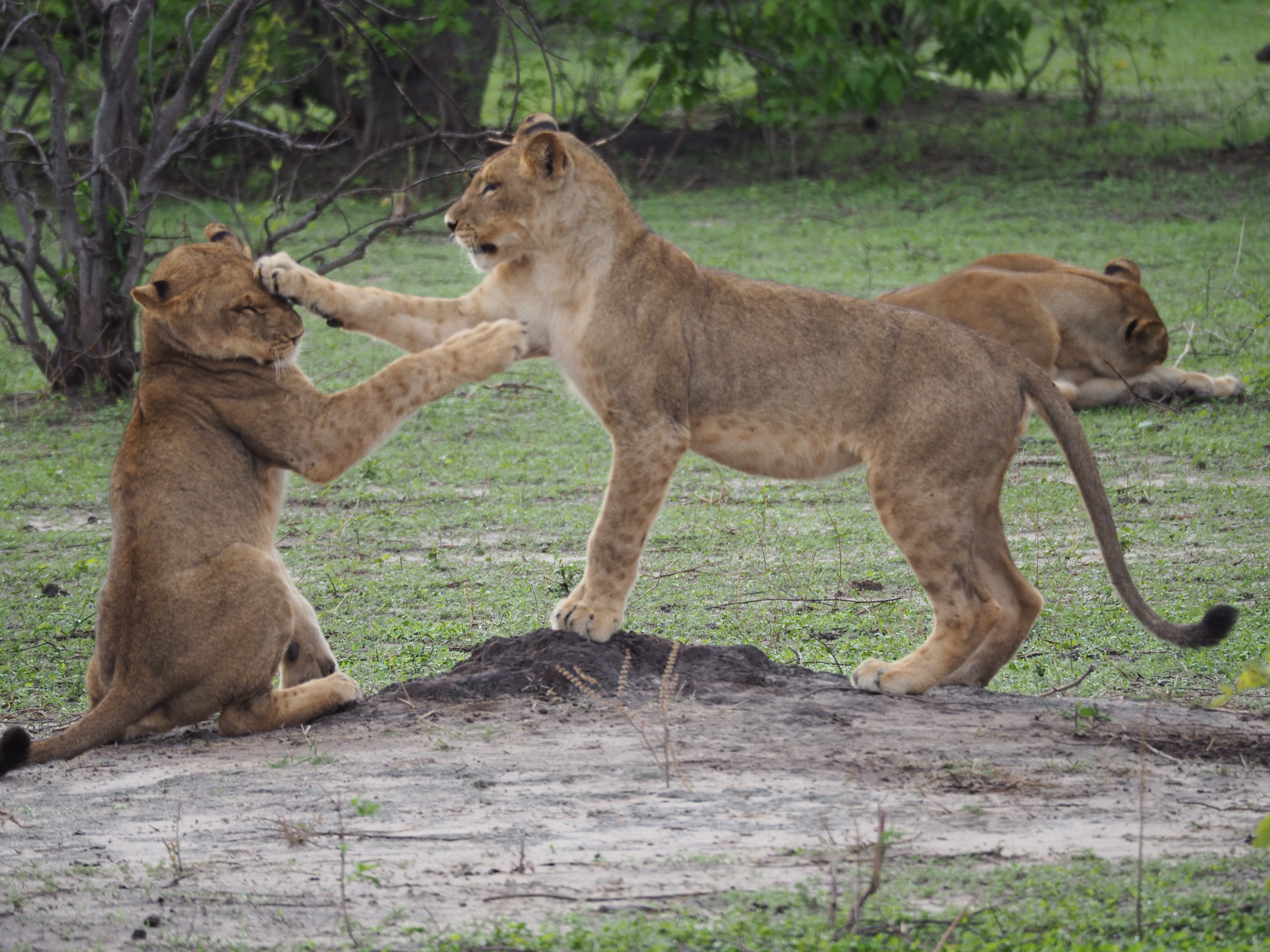
This feeling of needing time to view a thought or feeling with distance is the same for how I feel and what I think about my first trip to southern Africa. With this in mind, for this holiday return post, I shall share a few of the things I discovered, a few of the 1000+ photos I took, a a surface level of the thoughts I had.
A few things I discovered:
A group tour is a particular way to travel. It may not be for me.
This was my first time on a longish trip with a group - all of whom were honestly lovely, but there were 23 of us, on a lando (bus with off-road wheels). I chose it for two reasons: second, I could afford it, and first, at the time of booking, I didn’t have the brain-space to plan a journey through Botswana.
I was not the only person on the tour who chose for these reasons. All the women of working age told me half of their excitement for the trip was they didn’t have to make any decisions on it. How overloaded we all feel by the number of small, big, life admininistrative and life changing decisions that make up a day, week, year is universal, or so it seems.
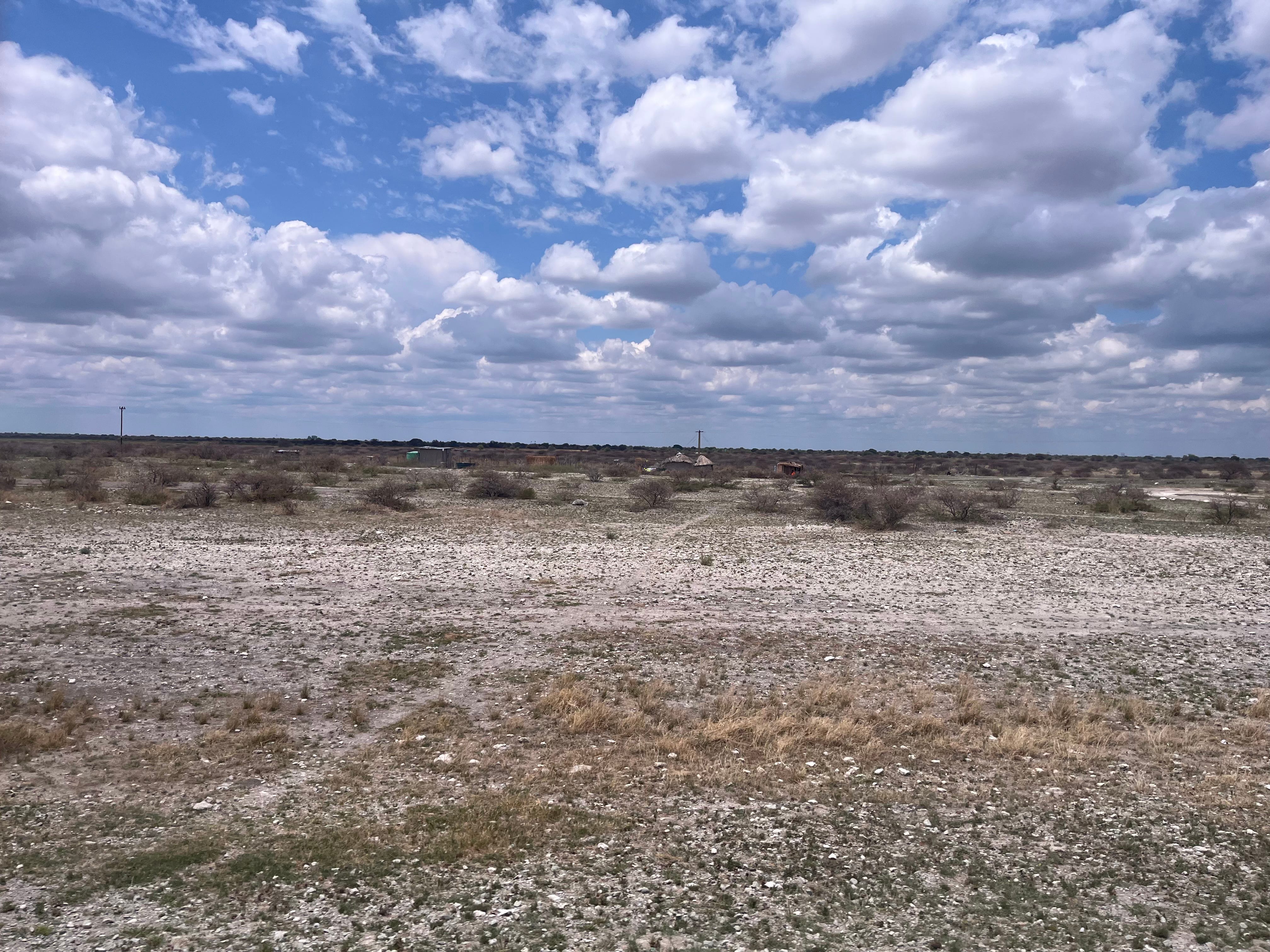
While no decisions was a glorious thing. Staring out the lando windows watching the towns become Kalahari, then saltpans, or elephant trampled forests, to sparsely occupied wilderness, our brains switched off, we slept, chatted, and stared for hours at a time. On the fifth day we all agreed it would be nice to be able to make some of the decisions. Such as, ‘that looked like a cool art gallery on the outskirts of Kasane, nestled between terminte mounds and a herd of goats, let’s stop there,’ or ‘I’ve been sitting for hours, let’s go for a walk.’
Tours mean, there is no space for individual or group choices, plans have been mapped and made long before people arrive and schedules must be kept too.
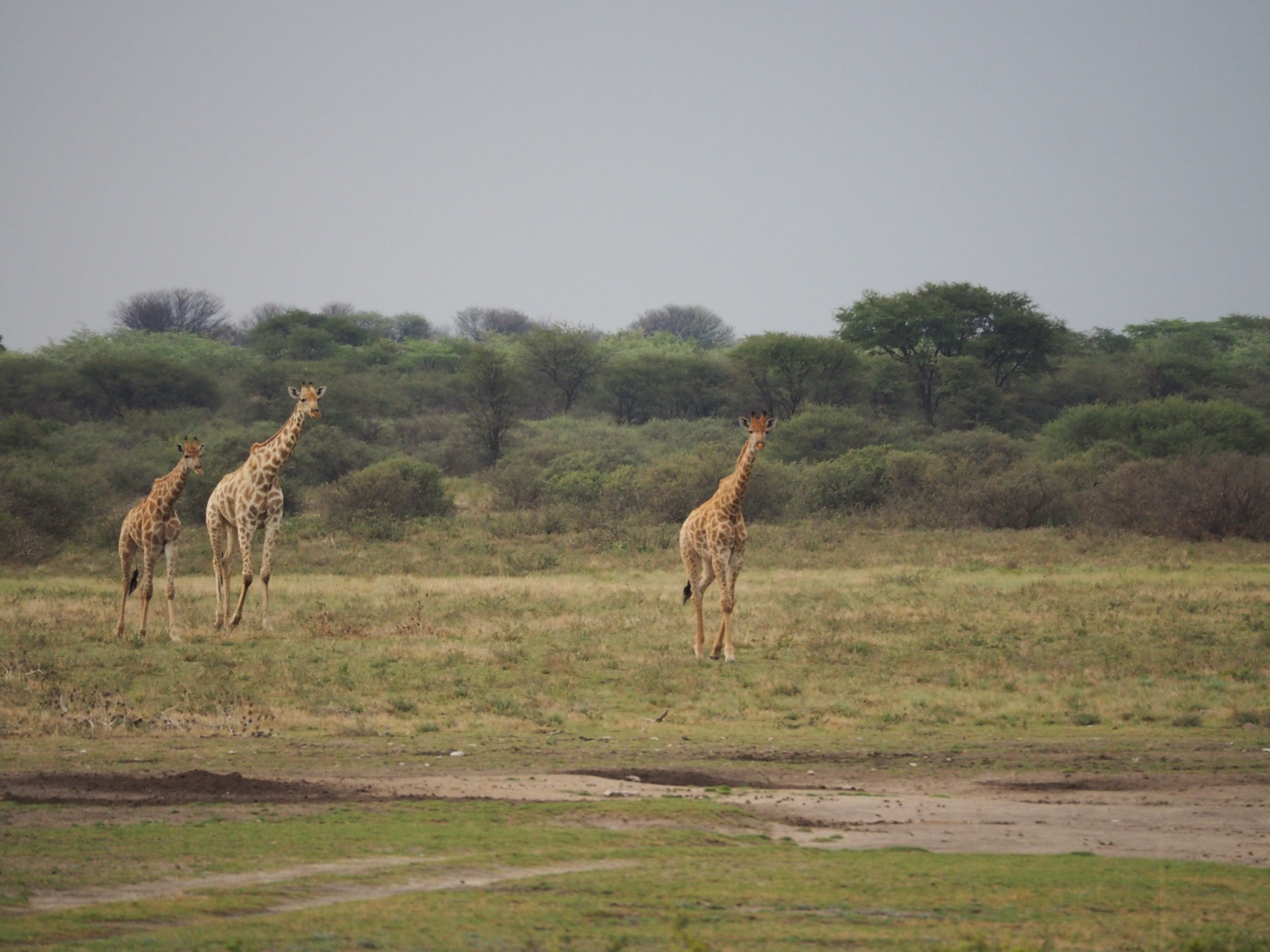
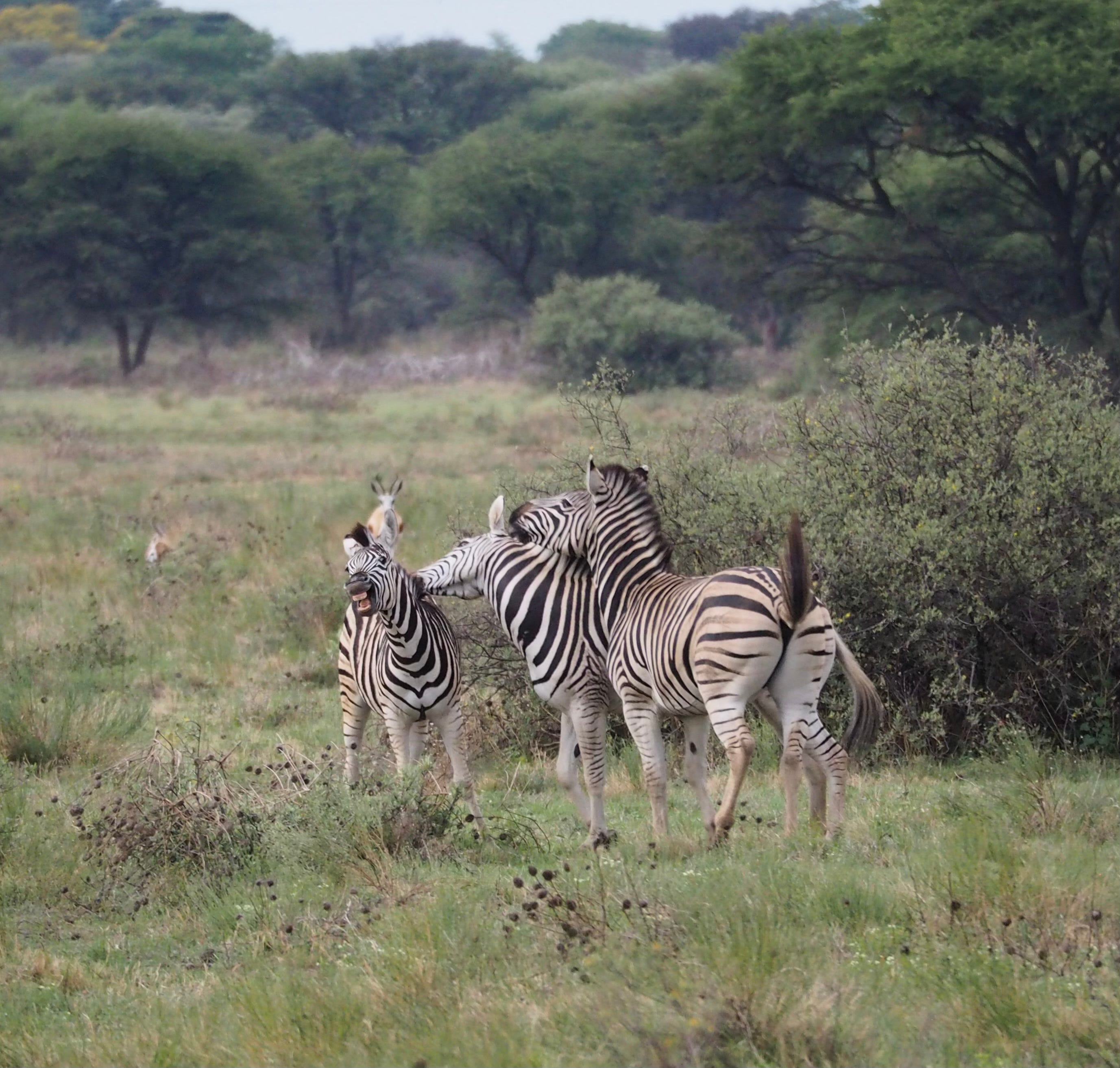
At Khamer Rhino Sanctuary, we were bundled from our 13 hour lando journey into landcruiser and into the sanctuary for our first safari, with the protective caveat ‘It’s rained, we might not see any animals at all.’ From what I understand this is standed practice by all guides. With thousands of hectares of land where the animals could be, it is entirely possible you would get a scenic tour or early wet season flowers and little else. For us, this never happened. White rhinos in multiple locations, zebra, oryx, wilderbeast, impala, and giraffe. Giraffe’s surprised me by being the animal that gave me the ‘I’m in Africa’ feeling.
‘Patience is waiting with a positive attitude.’ So said our Zimbwean guide, Knox. The orange sand sides of the two lane highway held an impressive line of trucks waiting to cross the boarder from South Africa into Botswana. It takes days, even weeks, for trucks to be inspected and allowed through. People on tours get through faster. This is a very good reason to be on a tour.
Patience also came into play when stopping at a service station for the toilet, which might not be open today because there is no water.
I felt safe at night in the Okavango Delta, when the footsteps of a hyena, then a lion, crunched across the dried leaves gathered beside my canvas tent. This made no sense when I thought about it in daylight. Canvas is not impervious to claws.
Not everyone has had a point in their life – read childhood – where they were passionately excited by African animals, or tracking. What were they doing with their time? (Thank you to my parents for the gift of encyclopedias).
On a similar thread, not everyone goes on a tour in Botswana to see the animals. Some of them go to meet people and make friends.
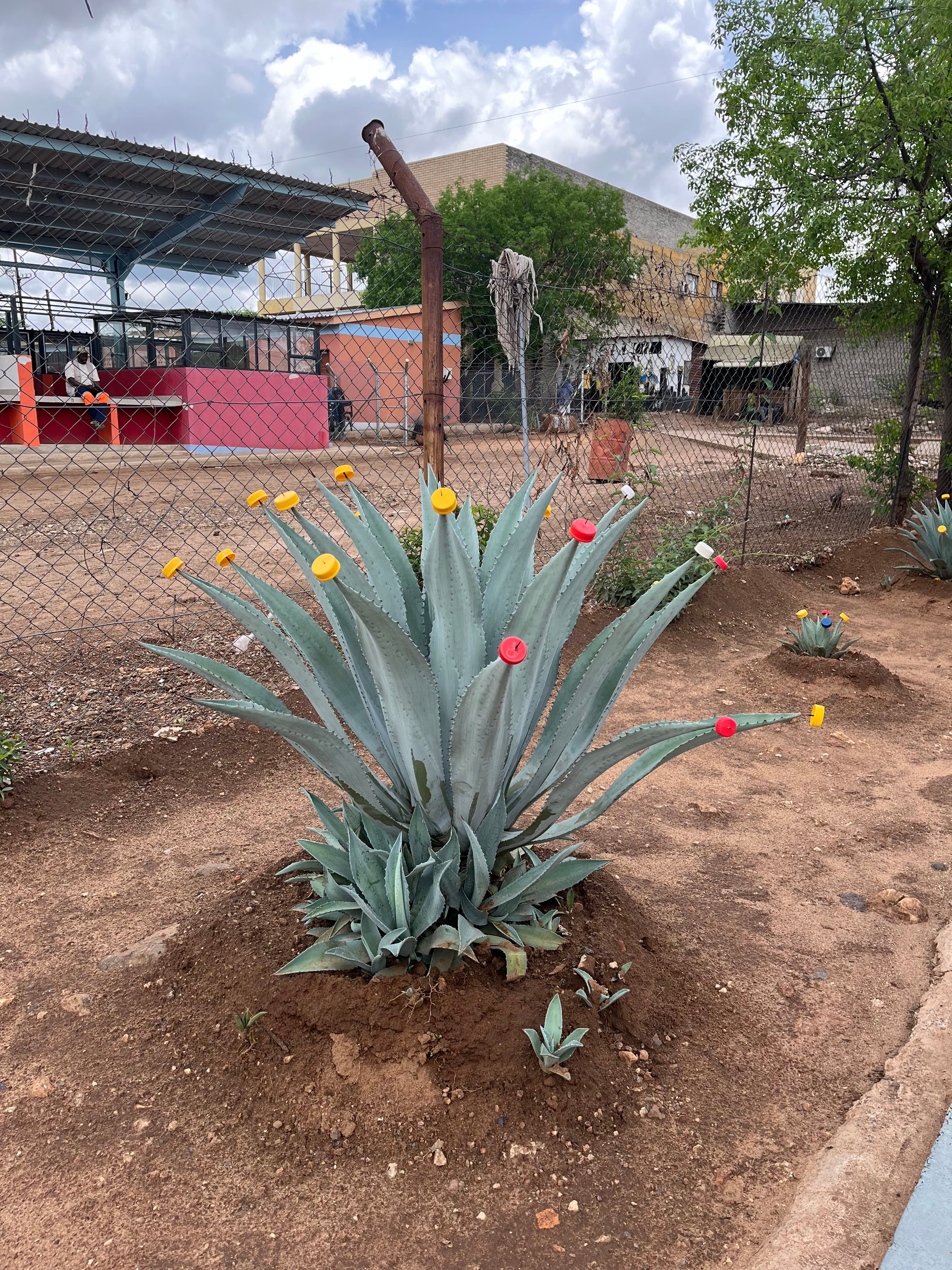
Botswana’s small towns have a mix of shops in concrete buildings, and rough road-side stands built for function. For example, the tire shop had enough timber to make a shelter for the workers who used the tires as seating. The lunch café had a bench, back wall, and table for holding the pots of steaming hot food we never stopped to eat. It is the world stripped of marketing and digital excess.
Straight after Botswana I spent the day in Singapore. There was culture shock.
One of our tour group was Canadian and 82 years old. When we went to the sometimes working service station toilets, she would line up with the rest of us and try to pay like the rest of us. Everytime her money was refused and the Botswanan looking after the toilets would try to push her to the front of the line. She always refused the recognition of her age.
On the tour we treated her as everyone else, no preferencial treatment when setting up tents or doing camp tasks; again, whenever we tried to take the burden she had refused to be treated any differently. Any concern we showed had to happen behind her back – we would hover behind her, ready to catch her on slippery mud etc. The cultural difference between how we, as non-Botswanan’s, respect and accept respect for age, was a gut punch.
While taking photos of animals is great fun and a key part of a safari tour. I’d like to go back again without a camera and just watch them all for longer periods of time. I attempted to do this while there, put down the camera let the world fill my eyes and brain instead of the screen. I failed. The camera itched my hand a demanded photos be taken.
Maybe the camera itch was the screen adicts recovery tool. I feel calmer and more grounded than when I left. I am committed to more holiday time in the future. But first, assessing how I feel to be back in Australia and not on holiday for the first time in 15 years.